
Reduces winter heat loss
Uninsulated brick veneer walls account for up to 25% of a home’s winter heat loss. Cavity insulation slows this transfer, keeping indoor temperatures steadier and reducing reliance on heaters.
Oak Park Wall Insulation
Cavity wall insulation for brick veneer homes in Oak Park reduces winter heat loss and summer heat gain through external walls. Expert Insulation Melbourne installs it with minimal disruption to your home.
Share your details and Expert Insulation Melbourne will contact you about Cavity Wall Insulation in Oak Park.
Cavity wall insulation fills the gap between the inner and outer leaf of brick veneer walls with insulating material. In Oak Park, many postwar and 1960s to 1990s brick veneer homes have uninsulated cavities that let cold air in during winter and heated air escape. Filling this space with a suitable product improves thermal resistance and cuts draughts without altering the wall structure.
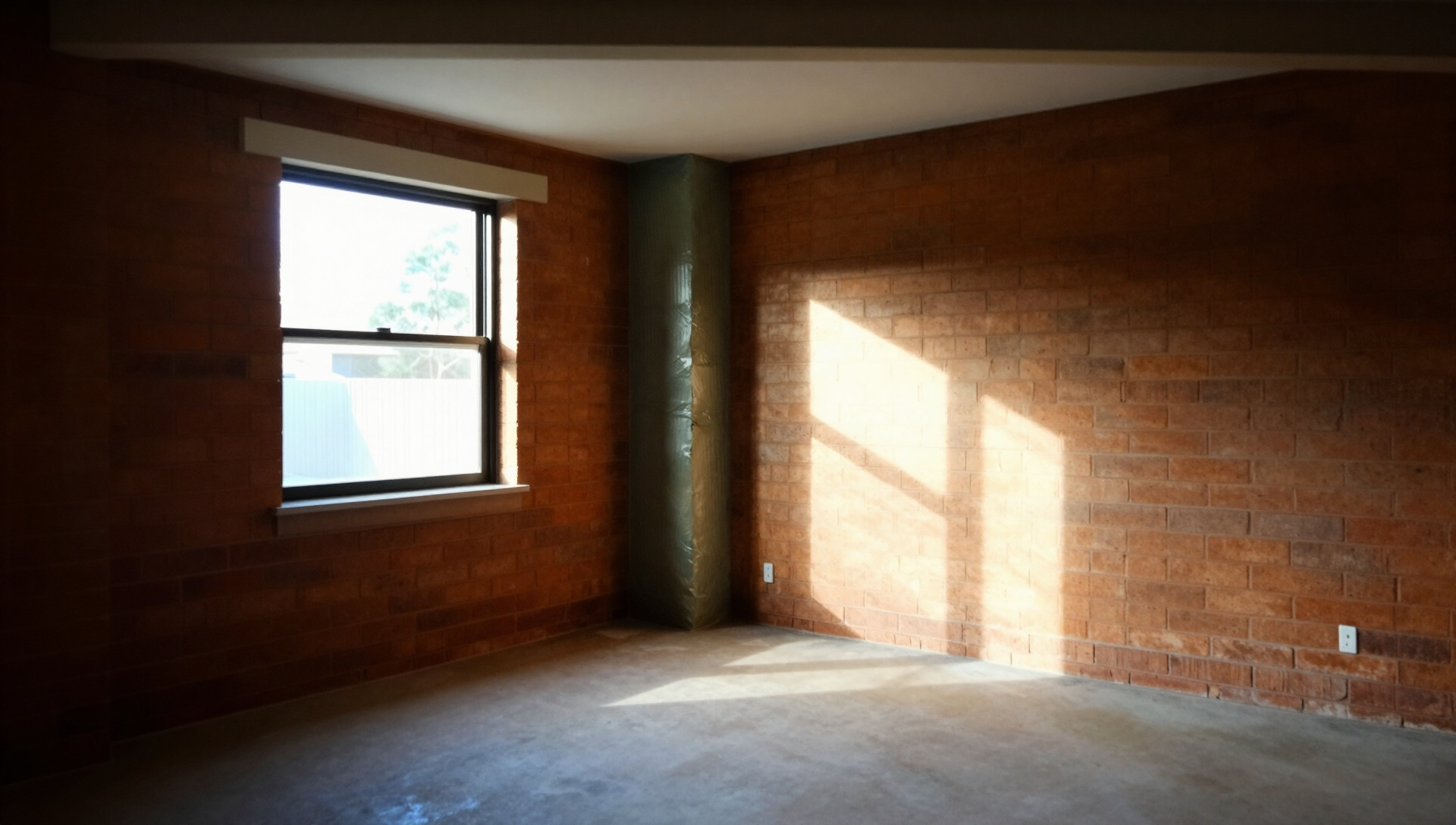
Oak Park’s mix of older brick veneer and postwar homes often have uninsulated wall cavities that contribute to cold winters and hot summers. Cavity wall insulation addresses this by adding a thermal barrier within the wall structure.
Uninsulated brick veneer walls account for up to 25% of a home’s winter heat loss. Cavity insulation slows this transfer, keeping indoor temperatures steadier and reducing reliance on heaters.
During Melbourne’s hot summers, external walls absorb heat that radiates inward. Insulating the cavity reflects and resists this heat, keeping interiors cooler without overworking air conditioning.
Gaps in mortar and around window frames let cold air seep through brick veneer walls. Cavity insulation, combined with gap sealing, blocks these draughts for a more airtight home.
By reducing the workload on heating and cooling systems, cavity wall insulation can lower energy bills. Homes in Oak Park with poor wall insulation often see noticeable savings after installation.
The process involves small, discrete holes drilled into the mortar between bricks. These are filled with insulation and then patched, leaving no visible damage to the wall’s appearance.
Once installed, cavity wall insulation does not settle or degrade over time. It maintains its thermal resistance for the life of the building, provided the wall remains dry and free of moisture issues.
A cavity wall insulation job in Oak Park typically takes one day for an average-sized home. The process is clean and does not require removing internal wall linings or external cladding.
Not all walls are suitable for cavity insulation. We check the wall type, condition and moisture levels to confirm the cavity is dry and accessible. Brick veneer is usually suitable, while double brick may require a different approach.
Small holes are drilled into the mortar joints at regular intervals around the wall. These provide access to inject the insulation material into the cavity without damaging the bricks.
Using specialised equipment, loose-fill or foam insulation is blown into the cavity through the holes. The material fills the gap completely, ensuring no voids that could reduce performance.
After the cavity is filled, the holes are plugged with matching mortar and colour-matched to blend in with the existing wall. The site is left clean, with no mess inside or outside the home.
Oak Park’s brick veneer homes, common in the area’s postwar and mid-century housing stock, often lack insulation in the wall cavity. This leaves them vulnerable to cold winters and hot summers, with heat easily escaping or entering through the walls. Cavity wall insulation is a practical solution that improves thermal comfort without the need for major renovations. Nearby suburbs like Pascoe Vale and Essendon also have similar housing types that benefit from this service.
Improve thermal comfort in your Oak Park brick veneer home with cavity wall insulation installed by Expert Insulation Melbourne.
Homeowners in Oak Park often have questions about how cavity wall insulation works, whether their home is suitable and what to expect during installation. Here are the most common queries we answer.
Cavity wall insulation in Oak Park targets the uninsulated gap between the inner and outer layers of brick veneer walls. This space, often overlooked in older homes, allows heat to escape in winter and enter in summer, making heating and cooling systems work harder. Filling the cavity with insulation material reduces this heat transfer, improving energy efficiency and indoor comfort. For Oak Park homes built between the 1950s and 1990s, this is a cost-effective way to upgrade thermal performance without major structural changes.
The process begins with a suitability assessment to ensure the wall cavity is dry and free of moisture issues, as damp cavities can lead to mould or reduced insulation performance. If the wall passes inspection, small holes are drilled into the mortar, and insulation is injected to fill the cavity completely. The holes are then patched and colour-matched to restore the wall’s appearance. This method is particularly effective for brick veneer homes in Oak Park, where external walls are a significant source of heat loss and gain.
Cavity wall insulation complements other insulation upgrades, such as ceiling and underfloor insulation, to create a more energy-efficient home. In Oak Park’s climate, where winters are cold and summers can be hot, addressing wall insulation helps maintain a consistent indoor temperature. This reduces the need for excessive heating or cooling, leading to lower energy bills and a smaller carbon footprint. For homeowners considering this upgrade, it’s important to work with experienced installers who understand the specific requirements of brick veneer construction.
If your Oak Park home has brick veneer walls and struggles with temperature control, cavity wall insulation can make a noticeable difference. Contact Expert Insulation Melbourne to discuss your options and arrange an inspection.